Your quick search for “heart doctor near me” shows two main results: cardiologist and electrophysiologist near me. While both deal with the heart, they are very different in training, focus, and the conditions they treat. Whether you are searching for an electrophysiologist near me or looking for the best electrophysiologist in Dubai, this blog will provide much-needed clarity. We will discuss the differences between a cardiologist and an electrophysiologist to help you decide who is the best choice for your specific heart problems.
Who Is a Cardiologist?
A cardiologist is a physician who specializes in diagnosing and treating diseases of the heart and blood vessels or the cardiovascular system. If you have a family history of heart disease, are experiencing chest pain, or need a long-term plan to manage your cardiovascular health, a cardiologist is your go-to expert. They treat conditions such as:
- Coronary artery disease: blockages that reduce blood flow to the heart.
- Heart failure: when the heart cannot pump blood efficiently.
- Hypertension: high blood pressure that strains the heart.
- Valvular heart disease: problems with the heart’s valves.
- Congenital heart defects: structural abnormalities present from birth.
They use tools like EKGs, stress tests, and echocardiograms to come to a diagnosis. Based on the findings, they may manage your condition themselves or refer you to a sub-specialist. That sub-specialist can be an electrophysiologist.
Who is an Electrophysiologist Near Me?
An electrophysiologist near you is actually a cardiologist first, but he has completed an additional 2 to 3 years of highly specialized fellowship training focused solely on the heart’s electrical system. While a general cardiologist examines the structure and function of the heart, an electrophysiologist focuses on the heart’s rhythm. The following conditions are commonly managed by the best electrophysiologist in Dubai:
- Atrial fibrillation: an irregular and rapid heart rhythm that raises stroke risk.
- Ventricular tachycardia: dangerously fast rhythms originating in the lower chambers.
- Supraventricular tachycardia: sudden bursts of a rapid heartbeat.
- Heart block: when electrical signals are delayed or blocked.
- Wolff-Parkinson-White syndrome: an extra electrical pathway causing fast rhythms.
Difference Between a Cardiologist and The Best Electropysiologist in Dubai
-
Training and Education
While all electrophysiologists are cardiologists, not all cardiologists are electrophysiologists. A cardiologist completes four years of medical school, three years of internal medicine residency, and three years of cardiology fellowship. An electrophysiologist completes all of that, plus an additional 1 to 2 years of highly specialized fellowship training focused on the heart's electrical system and rhythm disorders. -
Primary Focus: Circulation vs Conduction
A cardiologist focuses mainly on the circulatory system. They look at blood flow, heart muscle strength, and valve function. The best electrophysiologist in Dubai focuses on the heart's conduction and electrical systems. He is concerned with the timing of the heartbeat and the electrical impulses that travel through the heart muscle. He ensures the heart beats at a steady and healthy pace. -
Medications
Anti-arrhythmic medications are prescribed to control the heart rate and prevent episodes. Intravenous medicines are preferred as they act faster. -
Conditions Diagnosed and Managed
A cardiologist manages coronary artery disease, hypertension, heart valve disease, high cholesterol, and related conditions. On the other hand, you need to search for an electrophysiologist near me for Atrial Fibrillation, Bradycardia, Tachycardia, and heart palpitations. -
Diagnostic Tools and Testing
A cardiologist uses imaging and stress tests to see how the heart functions under pressure. Common tools include ECG, stress tests, and cardiac catheterization. The best electrophysiologist in Dubai usually uses mapping tools. He performs Electrophysiology Studies, in which tiny catheters are inserted into the heart to record electrical activity and pinpoint exactly where a short circuit is occurring. He can also use Holter monitors or loop recorders to track heart rhythms over long periods. -
Treatment Methods and Procedures
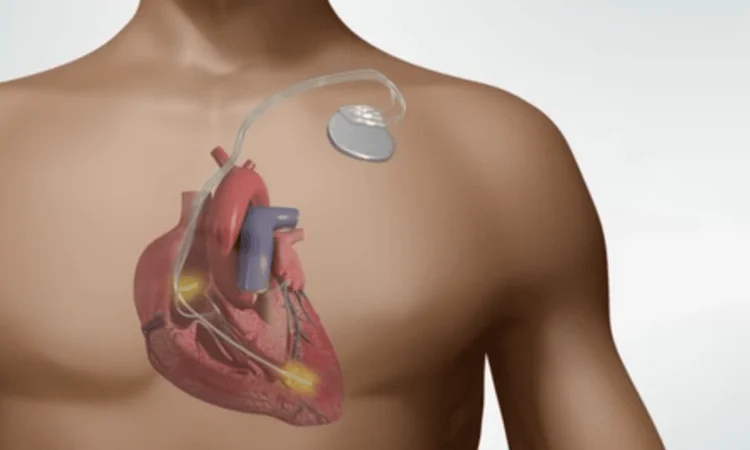
The treatments offered by a cardiologist are often medicinal or structural. He might perform an Angioplasty or use medications to lower blood pressure and cholesterol. Treatments from an electrophysiologist focus on correcting rhythm. This includes cardiac ablation and the implantation of devices such as pacemakers and ICDs. -
When to See Each Specialist
You should see a cardiologist if you have chest pain, shortness of breath, or a family history of heart disease. You search for an electrophysiologist near me if you have been told you have an arrhythmia, if you feel your heart racing for no reason, or if you experience unexplained fainting spells.