Pacemaker Types And Their Benefits

Pacemaker Types and Their Benefits: Advice from a Pacemaker Specialist Near Me

The heart is an incredible organ, beating not stop with a steady pace and rhythm, but sometimes its beats get off track. When that rhythm falters, the consequences can be dangerous. If your heart beats too slowly, skips beats, or struggles to maintain a steady rhythm, your doctor may recommend a pacemaker. Pacemakers have come as a boon in cardiac care, so you can enjoy your normal, active lives with the help of these small and sophisticated devices.
If you are searching for a pacemaker specialist near me or researching a pacemaker operation in UAE, understanding the different types of pacemakers available can put you in a better position to discuss options with your cardiologist. In this blog, you will read everything you need to know about what this unique device is and the types of pacemakers available today.

What Is a Pacemaker?

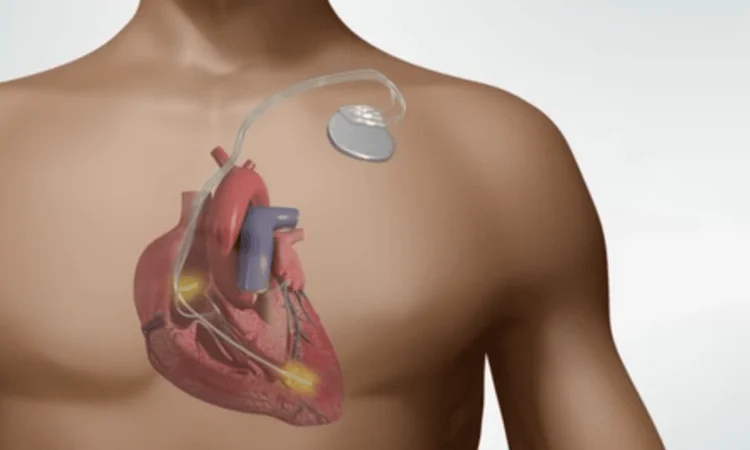
A pacemaker is a small, battery-powered device implanted under the skin, usually near the collarbone, to help regulate an abnormal heart rhythm. It sends electrical impulses to the heart muscle to keep it beating at a safe, steady rate.
You can look for a pacemaker specialist near me if you feel your heart is beating too slowly or if you are experiencing fainting episodes. Pacemakers are recommended for conditions like bradycardia, heart block, and certain types of heart failure.

Types of Pacemakers

Not all pacemakers are the same. If you consult a best electrophysiologist after searching for a pacemaker specialist near me, he will recommend the appropriate type based on your heart condition, overall health, and specific rhythm problem.

Single-Chamber Pacemaker

The single-chamber pacemaker uses a single lead, or thin wire, connected to either the right atrium or the right ventricle of the heart. It is most commonly placed in the right ventricle.
  • Best for

    People with certain heart rhythm problems where only one chamber of the heart needs support, such as long-term atrial fibrillation that causes a slow heartbeat.
  • How it works

    The device monitors the heart's activity and delivers an electrical pulse to a single chamber when it detects that the heart is beating too slowly or has paused.
  • Benefits

    These single-chamber devices are simple and generally involve a less complex surgical procedure, making them a practical option

If you are consulting with a pacemaker specialist near me, they will assess whether a single-chamber device meets your specific cardiac needs.

Dual-Chamber Pacemaker

The dual-chamber pacemaker places leads in both the right atrium and the right ventricle, allowing the device to coordinate the timing between these two chambers. It works almost like the heart’s natural conduction system.
  • Best for

    Patients with AV or Atrioventricular node disease, sick sinus syndrome, or those who need better coordination between the heart chambers.
  • How it works

    By pacing both chambers in sequence, the dual-chamber device mimics the heart's natural electrical flow, improving the efficiency of each heartbeat.
  • Benefits

    This device offers more natural heartbeat coordination, thus improving heart efficiency. It is believed to improve symptom control in many patients.

This type is widely used and considered the standard of care for many arrhythmia conditions. Many patients who undergo a pacemaker operation in UAE receive dual-chamber devices, depending on their diagnosis.

Biventricular Pacemaker (Cardiac Resynchronization Therapy)

Also known as a CRT device or cardiac resynchronization therapy pacemaker, the biventricular pacemaker stimulates both the left and right ventricles simultaneously. This helps the two sides of the heart pump in a synchronized, coordinated fashion.
  • Best for

    Patients with heart failure and a left bundle branch block. It works well for people with a weak heart muscle or other conditions that cause the ventricles to beat out of sync.
  • How it works

    Three leads are placed, one in the right atrium, one in the right ventricle, and one on the outer wall of the left ventricle through the coronary sinus. When both ventricles contract simultaneously, the heart pumps blood more effectively.
  • Benefits

    CRT devices can significantly improve the quality of life, reduce hospitalizations, and even reverse some forms of heart failure. It also improves breathing and exercise capacity .

If you are consulting a pacemaker specialist near me for advanced heart failure management, your doctor may suggest CRT if it is suitable for your condition.

Leadless Pacemaker

It is the newest and most sophisticated device, a tiny, self-contained capsule roughly the size of a large vitamin pill. It is implanted directly into the heart and inserted through a vein in the groin. It does not require a chest incision, a surgical pocket under the skin, or leads.
  • Best for

    Patients who need single-chamber pacing and those at high risk of complications from traditional lead-based systems.
  • How it works

    This small device is attached to the inner wall of the heart’s lower-right chamber, where it monitors the heartbeat and sends electrical signals to help the heart beat normally.
  • Benefits

    It leaves no chest scarring and has a lower risk of wire-related complications. It allows faster recovery because the procedure is smaller and less invasive. These pacemakers are normally best for patient at high risk of infection.

Conclusion

If you are experiencing symptoms such as dizziness, fatigue, fainting, or irregular heartbeat, you should search online for a “pacemaker specialist near me” at the earliest. An experienced specialist can guide you through diagnosis, pacemaker operation in UAE, and the different types of pacemakers. The right pacemaker for you will depend on your specific diagnosis, lifestyle, age, and overall heart health.
From the simplicity of a single-chamber device to the sophistication of a leadless pacemaker, the choice can be made by you in consultation with an experienced electrophysiologist, like Dr. Moutaz El Kadri. Whether he suggests a traditional dual-chamber system or a cutting-edge leadless device, the goal will be to ensure your heart has a steady rhythm. Book an appointment today to give your heart the beat it needs!

Frequently Asked Questions

How long does a pacemaker last?

Pacemaker batteries last between 8 and 15 years, depending on the type of device.

Is pacemaker surgery painful?

No, pacemaker operation in UAE is performed under local anesthesia with sedation. You will experience only mild discomfort during recovery.

Can I live normally with a pacemaker?

Yes, you can return to normal daily activities, including work, walking, and travel, after recovery.

Are leadless pacemakers better than traditional pacemakers?

Leadless pacemakers show fewer lead-related complications and use smaller incisions, but they are not suitable for every patient.

Get advanced diagnosis and safe pacemaker operation near you in UAE from experienced cardiac experts.

Book an appointment today
The Heart.ae
The Heart.ae
Articles: 28
Book Appointment
Connect Through WhatsApp
Latest Articles