Left Atrial Appendage Closure (LAAC) Procedure in UAE: Stroke Prevention for Atrial Fibrillation Patients
A healthy heart beats in a steady, reliable rhythm, as we know and expect, but sometimes rhythm can become irregular. These irregular rhythms, apart from affecting how you feel, increase the risk of serious complications such as stroke. Atrial fibrillation is one of the most common rhythm disorders responsible for stroke and needs more attention and medical intervention than just symptom control. Atrial fibrillation is a condition that disrupts the electrical signals in the heart’s upper chambers. For many patients, long-term blood-thinning medications are prescribed to lower the risk of stroke. However, not everyone can safely remain on these medicines for life. This is where the LAAC procedure in UAE comes as an important treatment option. In this blog, we will discuss the LAAC procedure in detail and learn how it differs from the internal cardiac defibrillator in UAE.
What Is the LAAC Procedure in UAE?
Who May Need an LAAC Procedure?
- Have non-valvular atrial fibrillation
- Are at increased risk of stroke
- Cannot tolerate long-term blood thinners
- Have had bleeding complications while on anticoagulants
- Are at high risk of falls or internal bleeding
- Need an alternative stroke prevention strategy
How Is the LAAC Procedure Performed?
- A thin catheter is inserted through a blood vessel, usually in the groin
- The catheter is guided safely into the heart using advanced imaging
- A closure device is positioned inside the left atrial appendage
- Once the position is confirmed, the device is released to permanently seal the appendage
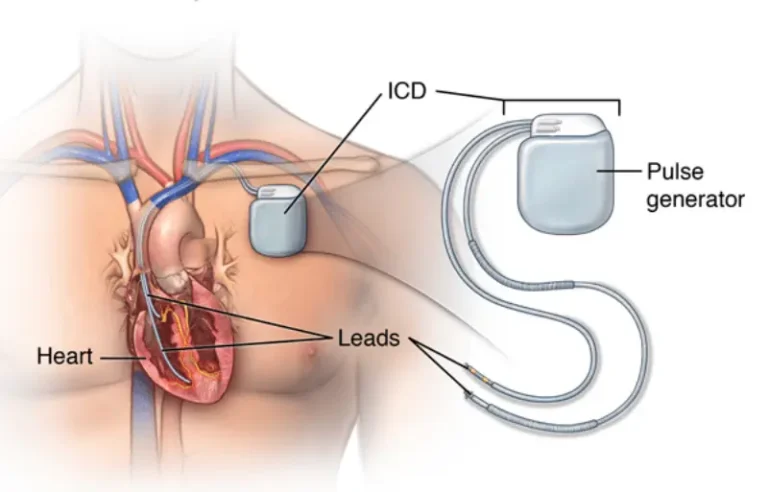
How Is LAAC Different from an Internal Cardiac Defibrillator?
The LAAC procedure is
- Used to reduce stroke risk
- Mainly for patients with atrial fibrillation
- Closes the left atrial appendage
- Does not treat dangerous fast heart rhythms directly
- Suggested to patients who cannot take blood thinners
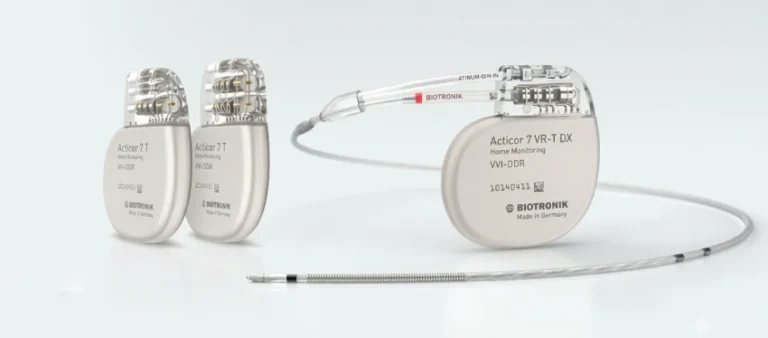
An internal cardiac defibrillator in UAE is
- Used to prevent sudden cardiac death
- Designed for patients at risk of life-threatening ventricular arrhythmias
- Monitors the heart rhythm continuously
- Delivers a shock if a dangerously abnormal rhythm is detected
Take control of your heart health with the right treatment guidance. Consult now with our specialists to find out whether LAAC or a defibrillator is best for you.
Conclusion
The looming threat of a stroke from Afib can be very disturbing, especially if you have trouble with blood thinners. Deciding on an LAAC procedure in UAE is a decision you can make after talking with an expert in this field. The procedure is not right for everyone, but for the right patient, it offers a safe, minimally invasive, and highly effective alternative when blood thinners are no longer the best option. Dr. Moutaz El Kadri offers advanced heart rhythm care that goes beyond a single treatment. Whether you need AFib management, catheter ablation, a LAAC procedure, or an internal cardiac defibrillator in UAE, his goal is to deliver precise, specialist care that protects both your heart rhythm and long-term health.