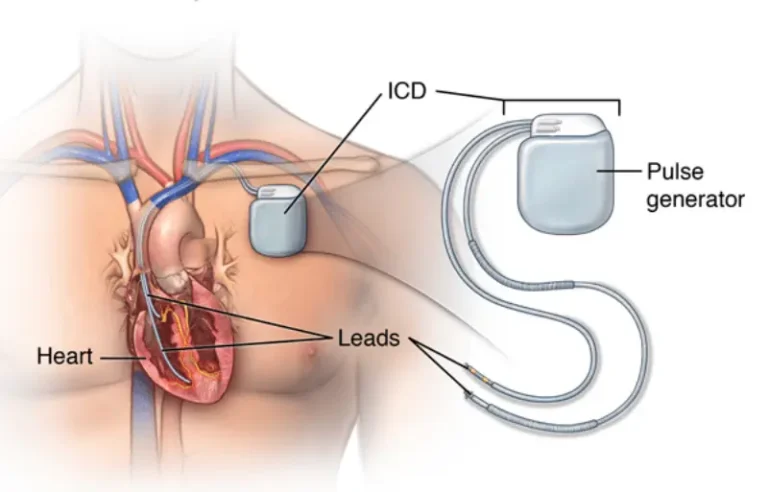
Irregularities in the heart rhythm have been known to cause serious heart problems that could be potentially life-threatening. As such, prompt intervention in the form of Implantable Cardioverter Defibrillators (ICDs) is vital in order to save lives. Learning about the various types of ICDs will assist the patient in knowing how to choose the best device for themselves. At The Heart.ae, we offer you the best ICD implant surgery in UAE.
This guide will provide you with information about the available ICD implant types, their functioning, and who may use each type of ICDs.
Why Are There Different ICD Implant Types
Not every heart condition is the same, which is why there are different ICD implant types. Each device is designed to meet specific medical needs based on a patient’s heart rhythm disorder, overall health, and risk of sudden cardiac arrest.
At The Heart.ae, Dr. Moutaz El Kadri brings years of experience in managing heart rhythm disorders and carefully evaluates every patient before recommending the most suitable ICD. This assessment includes reviewing your medical history, diagnostic test results, heart condition, and lifestyle. By selecting the right device, he helps ensure effective treatment while supporting your long-term heart health.
The following are the main types of ICD implant devices available at The Heart.ae:
Single-Chamber ICD
Single-chamber ICD offers basic yet effective support among available ICD implant types for certain patients. This device places one lead inside the right ventricle to watch heart signals. Our specialists at The Heart.ae recommend it when problems stay mainly in that chamber. The system stays ready to correct dangerous fast rhythms if they occur. Patients usually experience a direct procedure with this option. We prepare each person completely for the steps involved in their care.
How It Works |
|
| Lead Position: | One lead sits in the right ventricle to detect irregular electrical activity. |
| Rhythm Monitoring: | The device continuously checks heart rate for any sudden fast beats. |
| Shock Delivery: | It sends energy to restore normal rhythm when dangerous patterns appear. |
| Simple Response: | Basic design allows quick action focused on ventricular issues only. |
Who It Is Suitable For |
|
| Ventricular Focus: | Patients with problems limited to the lower right chamber benefit. |
| Less Pacing Need: | Individuals who do not require much support for slow rates. |
| Standard Cases: | Many with specific arrhythmia types do well with this choice. |
| Active People: | Those wanting simpler device options for daily routines. |
Main Benefits |
|
| Easy Placement: | Fewer leads often mean shorter time in the procedure room. |
| Reliable Protection: | Strong performance against sudden dangerous heart rhythms. |
| Quick Recovery: | Patients return to normal activities relatively soon after. |
| Straightforward Care: | Simple design supports easier long term management. |
2. Dual-Chamber ICD
Dual-chamber ICD provides more coordination through two leads among different ICD implant types. This device works in both the right atrium and right ventricle areas. Our team at The Heart.ae selects it for patients needing broader rhythm control. The system helps manage both slow and fast heart rates effectively. We discuss complete details to ensure patient comfort with the choice. Proper use brings better daily stability for many individuals.
How It Works |
|
| Two Leads: | Leads in the atrium and ventricle coordinate upper and lower heart activity. |
| Pacing Support: | Device helps maintain proper timing when natural rates slow down. |
| Arrhythmia Response: | It detects and treats fast rhythms from multiple chamber sources. |
| Natural Flow: | Better synchronization support and improves blood flow in the body. |
Who It Is Suitable For |
|
| Mixed Issues: | Patients with problems affecting both atrium and ventricle areas. |
| Pacing Requirements: | Individuals who need regular help for slow heart rates. |
| Ventricular Arrhythmia: | Those with fast rhythms plus additional pacing needs. |
| Balanced Needs: | People requiring moderate support without full resynchronization. |
Main Benefits |
|
| Improved Timing: | Better coordination between chambers leads to smoother function. |
| Versatile Protection: | Covers a wider range of rhythm problems in daily life. |
| Patient Stability: | Many experience fewer symptoms after successful placement. |
| Flexible Adjustment: | Our experts fine tune settings for personal results. |
3. Biventricular ICD
How It Works |
|
| Three Leads: | Leads reach the right atrium plus both ventricles for full coordination. |
| Sync Restoration: | Device helps lower chambers contract at the same time. |
| Combined Therapy: | It delivers shocks while improving overall pumping efficiency. |
| Continuous Check: | System monitors and adjusts to maintain better heart performance. |
Patients Who Benefit Most |
|
| Heart Failure Cases: | Individuals with poor ventricle synchrony gain significant help. |
| Advanced Symptoms: | Those experiencing ongoing fatigue from unsynchronized beats. |
| Specific Conditions: | Patients whose ECG shows clear need for resynchronization. |
| Combined Problems: | People with failure plus risk of dangerous rhythms. |
Core Advantages |
|
| Better Pumping: | Improved coordination often increases daily activity levels. |
| Symptom Relief: | Reduced heart failure effects support greater comfort. |
| Long Term Support: | Device addresses multiple issues in one effective unit. |
| Quality Focus: | Our team helps patients achieve better overall life experience. |
4. Subcutaneous ICD
Subcutaneous ICD places the main unit under chest skin without internal heart leads. This method uses an external lead along the chest wall. Our team at The Heart.ae provides this option for patients who are suitable for this implant type. It differs from transvenous options by avoiding vein access. We explain all features clearly during consultations. This approach provides solid protection with certain procedural advantages.
How It Works |
|
| External Lead: | Lead runs outside the heart along the chest area. |
| Skin Placement: | The main device sits under skin away from the heart interior. |
| Shock System: | Delivers treatment through the subcutaneous position effectively. |
| Monitoring Role: | Device watches rhythms without entering heart chambers. |
Ideal Candidates |
|
| Lead Concerns: | Patients who need to avoid traditional internal leads. |
| Specific Anatomy: | Individuals whose body structure suits external placement. |
| Infection Risk: | Those seeking options with potentially lower complication rates. |
| Active Lifestyle: | People wanting fewer internal device components. |
Key Advantages |
|
| Less Invasive: | Avoids entering heart veins during implantation. |
| Cosmetic Benefit: | Device position often remains less noticeable. |
| Risk Reduction: | Lower chance of certain lead related issues. |
| Patient Comfort: | Many prefer this style for daily peace of mind. |
Comparison of Different ICD Devices
The following comparison highlights the key differences between ICD implant types, making it easier to understand which device may be recommended for different heart conditions.
Take the Next Step Toward Heart Health
Understanding ICD implant types helps patients make confident decisions about their care. We at The Heart.ae combine expert knowledge with compassionate support for every individual. Our ICD implant surgery in UAE uses advanced techniques to deliver safe and effective results.
The right device can bring lasting protection and greater peace of mind for daily living. Early action often leads to better long-term outcomes for heart rhythm conditions.
Contact our team today at The Heart.ae to schedule a consultation. Let us guide you through the best options for your heart health needs. Together we can build a stronger future with reliable cardiac support.
Frequently Asked Questions
What is the size of the ICD?
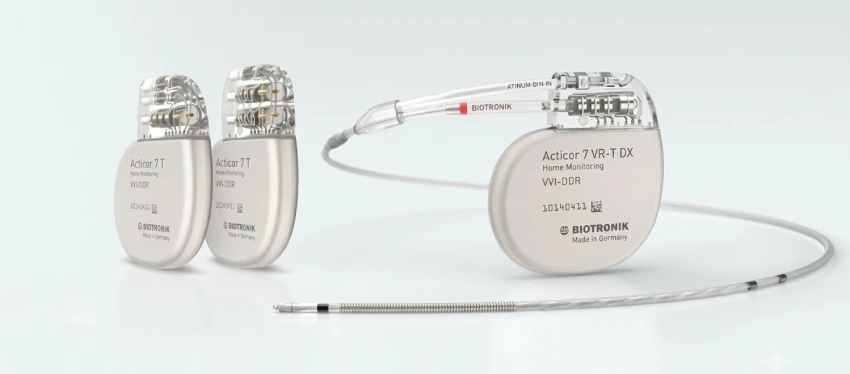
The ICD is a small device similar in size to a pocket watch. It fits comfortably under the skin in the upper chest area.
What is a mini ICD?
A mini ICD refers to newer compact models that maintain full functionality in a smaller package. These versions offer the same protection with reduced physical presence.
Is an ICD bigger than a pacemaker?
An ICD is slightly larger than a standard pacemaker because it includes additional components for delivering shocks. The difference remains minor and usually not noticeable externally.
What is the diameter of ICD leads?
ICD leads are thin flexible wires measuring only a few millimeters across. Their slim design allows smooth placement while ensuring reliable performance over years of use.
How long does an ICD battery last?
ICD batteries typically last between 10-12 years depending on usage patterns. Our team monitors this closely and plans replacements well in advance.
What are the two types of defibrillator?
The two kinds of defibrillators include the External Defibrillators, which is used in emergency cases and Implantable Cardioverter Defibrillators (ICD), which is surgically implanted in the patient’s body to monitor and treat the dangerous heart rhythms.