Electrophysiologist for Pacemaker Follow-Up: Why Specialist Care Matters
When we think of any issues related to the heart, we immediately think about a cardiologist. But for such an important and delicate organ, you need to know which specialist is right for your problem. Many patients with pacemakers or other cardiac rhythm devices often wrongly assume that regular follow-ups with a general cardiologist are sufficient. They are not aware that consulting an electrophysiologist for pacemaker follow-up is the right approach to their heart and device safety.
A cardiologist plays a very important role in heart health, but an electrophysiologist in Dubai and Abu Dhabi concentrates on the heart’s electrical system. So, he is the best person to take advice from regarding heart rhythm-related disorders and devices. In this blog, we will be discussing why. Is it necessary to follow up for your pacemaker, and why should the best electrophysiologist in Abu Dhabi and Dubai be your choice over a cardiologist for any consultation related to cardiac devices and rhythm disorders?
Why Need an appointment with an electrophysiologist for pacemaker follow-up

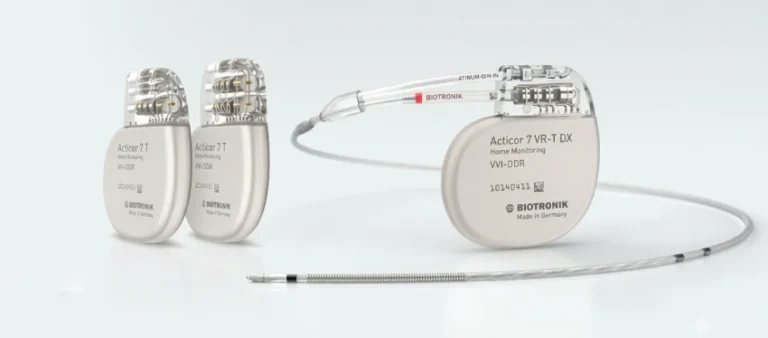
A pacemaker is a very effective device that supports and regulates your heart’s rhythm, but it is not a “set it and forget it” device. You need to visit an electrophysiologist for pacemaker follow-up regularly to ensure it continues to function correctly and meets your changing needs. During a pacemaker follow-up appointment, an electrophysiologist in Dubai and Abu Dhabi will check the pacemaker for the following reasons:
-
Pacemaker Function Check:
Monitoring the device’s function confirms that the pacemaker is working properly and delivering electrical signals to maintain a stable heart rhythm. -
Battery life and device longevity:
Pacemaker batteries usually last between 5 and 15 years. With regular check-ups, doctors can track battery status and plan replacement before it runs out. -
Lead Performance Check:
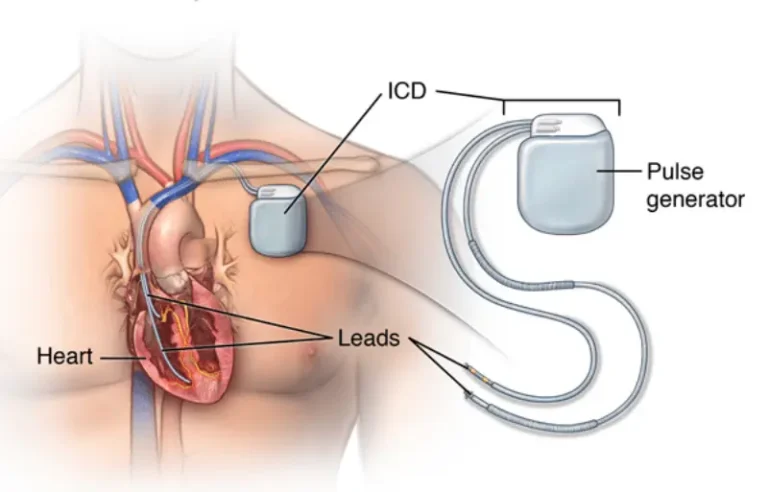
The leads or wires connecting the device to the heart can wear out over time. During follow-up appointments, specialists can assess lead integrity and timely address any issues. -
Pacemaker Programming Adjustments:
Pacemaker settings may need to be adjusted as your health, activity level, or heart condition can change with time. The best electrophysiologist in Abu Dhabi and Dubai can fine-tune the device for better comfort and performance.
Heart Rhythm Monitoring
Modern pacemakers record detailed heart rhythm data. During follow-ups, doctors can identify abnormal heart rhythms, such as atrial fibrillation and other arrhythmias.
Checking Your Overall Health
Meeting with an electrophysiologist for pacemaker follow-up can give him an opportunity to assess your general cardiac condition and recommend further treatment if needed.
These checkups need specialized knowledge and device programming tools that electrophysiologists routinely use. So, you cannot rely only on routine cardiology visits; seeing your electrophysiologist is a must.
Electrophysiologist in Dubai and Abu Dhabi vs General Cardiologist for Pacemaker Follow-Up
While general cardiologists manage many heart conditions, the best electrophysiologists in Abu Dhabi and Dubai are specifically trained to diagnose and treat heart rhythm disorders and manage cardiac devices. Seeing an electrophysiologist for pacemaker follow-up is preferred because they:
-
Have Specialized Training in Heart Rhythm Disorders:
Electrophysiologists undergo additional years of training focused on the heart’s electrical system and arrhythmias. This makes them highly skilled in managing pacemakers and other cardiac rhythm devices. -
Are Expert at Pacemaker Programming:
Pacemakers need precise programming to match your heart’s rhythm and activity level. They are experts at adjusting device settings to improve your heart performance and comfort. -
Can Detect Arrhythmias Better:
Modern pacemakers store detailed heart rhythm data. Electrophysiologists in Dubai and Abu Dhabi have the expertise to analyze this data and detect complex arrhythmias that need treatment. -
Can Troubleshoot Device :
If a pacemaker develops issues such as lead malfunction, inappropriate pacing, or battery concerns, electrophysiologists are better qualified to identify and resolve them. -
Have Access to Advanced Treatments :
If you continue to experience rhythm problems for any reason, electrophysiologists can offer advanced treatments such as catheter ablation, medication adjustments, or device upgrades. -
Can Offer Comprehensive Device Management :
Electrophysiologists routinely manage pacemakers, implantable cardioverter-defibrillators, and other cardiac devices, giving them considerable experience in device follow-up. -
Can Detect Complications Early :
Specialists are trained to detect subtle warning signs of device or rhythm problems before they become serious.
Conclusion
The UAE has become a hub for advanced cardiac care, offering modern facilities and highly trained specialists. Among many treatment options, pacemakers play a life-saving role for patients with heart rhythm disorders. However, proper follow-up care is needed to ensure the device continues to function effectively.
Seeking an appointment with an electrophysiologist for pacemaker follow-up is very important, as relying solely on a general cardiologist for pacemaker monitoring may sometimes lead to delayed diagnosis or suboptimal device management.
If you have a pacemaker or require expert heart rhythm management, consulting an electrophysiologist in Dubai and Abu Dhabi is essential. Schedule a consultation with Dr. Moutaz El Kadri today for proper device monitoring, expert pacemaker follow-up, and personalized care. Your heart and pacemaker both deserve specialist attention and the highest standard of care!
Frequently Asked Questions
Should I see a cardiologist or an electrophysiologist for pacemaker follow-up?
An electrophysiologist, as he specializes in heart rhythm disorders and pacemaker management, while a cardiologist cares for general heart health.
How often should I visit an electrophysiologist?
Most patients require follow-ups every 3–12 months, depending on the device type and their medical condition.
Is it necessary to consult an electrophysiologist in Dubai and Abu Dhabi for device care?
Yes, an experienced electrophysiologist in Dubai and Abu Dhabi can provide proper monitoring and device programming.
How do I choose the best electrophysiologist in Abu Dhabi and Dubai?
Look for specialists with advanced electrophysiology training, experience with pacemakers, and access to modern cardiac rhythm technologies.