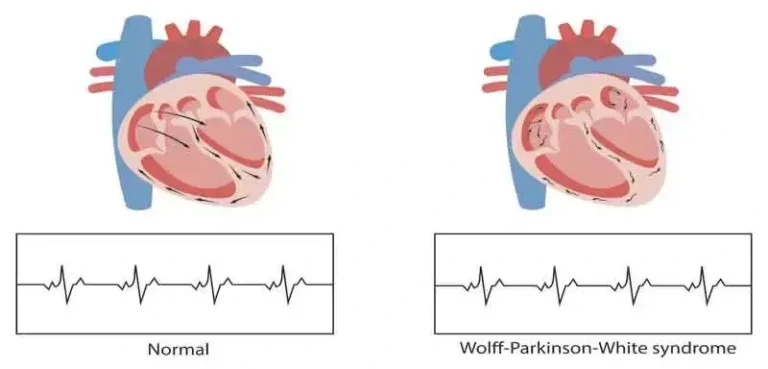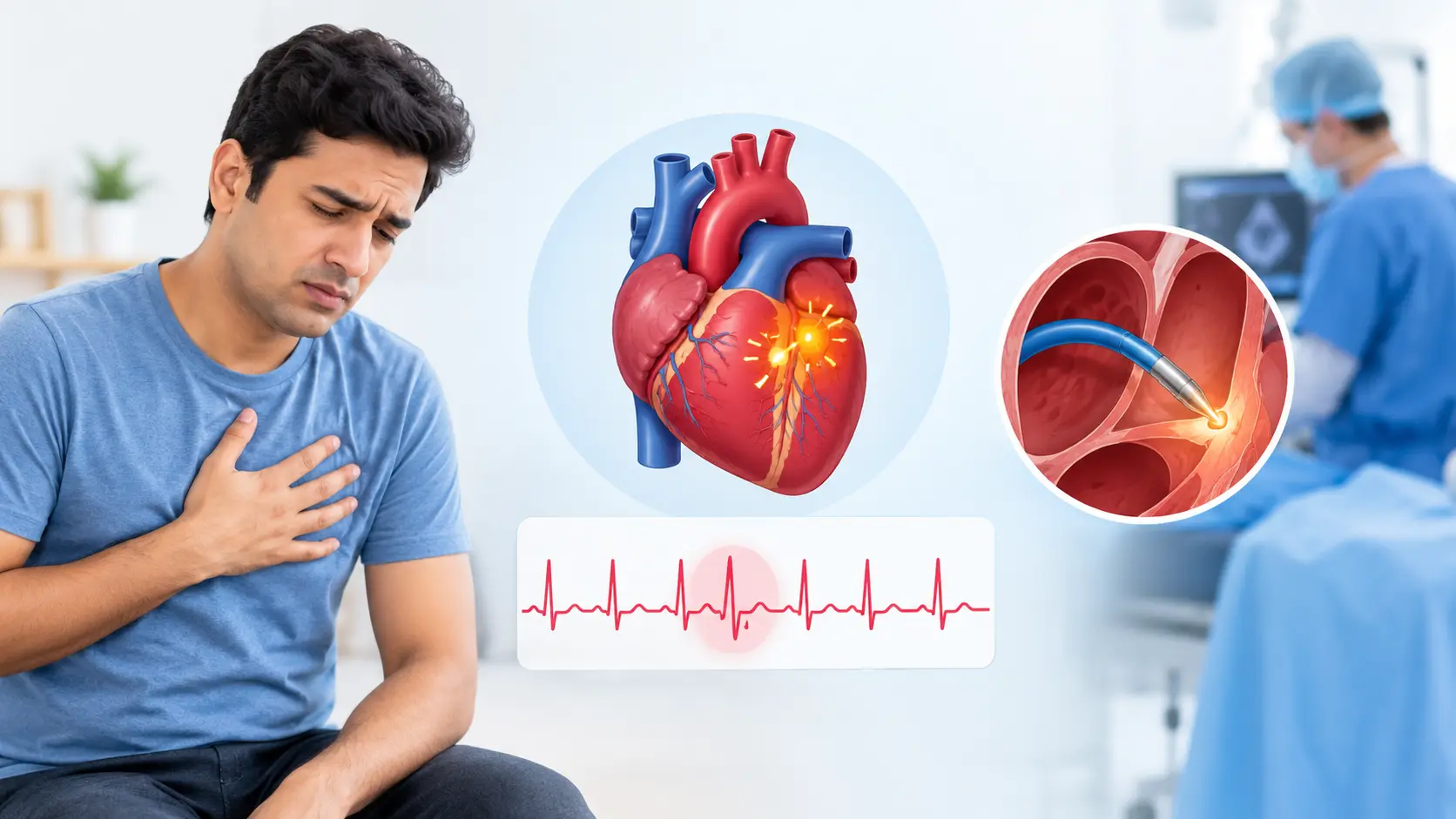
You may feel your heart give a sudden thump, flutter or feel like it has skipped a beat. Sometimes it is only once and gone. Other times it seems to happen again throughout the day.
These strange beats may be premature ventricular contractions, also known as PVCs. They are abnormal heartbeats, originating in the ventricles of the heart.
PVCs are common and often not a problem, especially if they are occasional and do not have an underlying cause. The exception is frequent PVCs that are troublesome, associated with significant symptoms or affecting heart function. In these situations, your electrophysiologist may offer a variety of treatment options, including medication and catheter ablation.
But what are the main PVC Ablation Symptoms that are worth considering?
There is not one symptom that guarantees a person needs a procedure. Your doctor will look at the symptoms you have, how often the heartbeats happen, how it affects your heart’s structure and function and how PVC responds to other treatments.
What Do PVCs Feel Like?
Some people have PVCs and do not feel them. Others are exceptionally aware of every abnormal beat.
It can be hard to describe what they feel like. You might feel a thump in your chest then a short pause. You might also feel as if your heart stopped beating for a moment and then started again with a beat.
- Common symptoms associated with PVCs include:
- A feeling of skipped or missed beats
- Fluttering in your chest
- Pounding or forceful heartbeats
- Feeling of an irregular heartbeat
- Shortness of breath
- Dizziness or light-headedness
- Fatigue or weakness
- Anxiety related to an irregular heartbeat
The American Heart Association says that premature contractions can lead to pounding heartbeats, skipped beats, palpitations and shortness of breath. Dizziness, fatigue and anxiety as some of the symptoms some people with PVCs may experience.
Having one or two of these symptoms does not mean an ablation is necessary. It depends on whether the PVCs are frequent or troublesome to take necessary treatment.
When Do PVC Symptoms Become a Concern?
An occasional PVC is usually not a problem in an otherwise healthy person. What concerns doctors is the occurrence of additional beats throughout the day or those that start to interfere with your daily life.
Some people may feel palpitations throughout the day. Others may find that the PVCs start to make exercising uncomfortable or leave them constantly aware of their heartbeat. You may also find that these persistent symptoms start to affect your sleep, concentration and confidence in your activities.
In these situations, the doctor may suggest monitoring rather than immediately talking about a procedure.
An ECG can detect PVCs, while a Holter or other ambulatory heart monitor can identify how regularly they are occurring. An echocardiogram can also identify the structure and function of your heart.
The results will allow the electrophysiologist to understand whether the PVCs are actually responsible for your symptoms, and if they are occurring regularly enough to warrant a procedure.
When Are PVCs Considered Frequent?
It is an important factor for the doctors evaluating you.
One person can have a huge number of PVCs and not notice. Another person can feel them intensely despite having relatively few. So symptoms and PVC frequency are related, but are not the same thing.
The frequent PVCs that account for a significant percentage of total heartbeats can, in some cases, affect the coordination of ventricular contraction. Over time, this can contribute to PVC-induced cardiomyopathy in some patients.
This is why your doctor may suggest a Holter monitor, even if your symptoms seem to be under control. It will give a better idea of how regularly the abnormal beats are occurring.
The aim is not to simply count your PVCs. It is to understand what they are doing to your heart and how much they are impacting you. Recognizing PVC ablation symptoms early, rather than waiting until they become severe, gives the electrophysiologist more options to work with.
Severe or Persistent Palpitations May Need Further Evaluation
Palpitations are one of the symptoms commonly linked to PVCs. They can feel like fluttering, pounding, racing or a skipped beat.
If these feelings happen over and over it is important to have them checked rather than thinking they are not a problem. Palpitations can come from different reasons, including other heart rhythm issues, stress, caffeine intake and other health problems.
An ECG can find the rhythm if it happens while the test is being done. If the symptoms come and go longer, monitoring might be a better option.
Once the doctor has established that PVCs are the cause, the next consideration is whether they actually require treatment.
Shortness of Breath, Dizziness or Weakness
PVCs can sometimes be accompanied by shortness of breath, dizziness or feeling weak.
These symptoms are worth noting, particularly if they are recurring or occurring alongside frequent palpitations.
A single premature beat is unlikely to affect the heart’s ability to pump blood effectively. However, frequent anomalous beats can affect the efficiency of the ventricles in some people. The underlying heart condition is also an important consideration.
If these symptoms are interfering with your day-to-day activities, your doctor may look into other treatment options rather than simply managing them with medications.
When Symptoms Affect Your Daily Life
Sometimes the strongest reason to consider treatment is when symptoms have become difficult to live with.
You may be able to concentrate on work but sometimes you may constantly notice your heartbeat. You might find that you avoid exercise because you worry about the palpitation. You could find yourself waking up because of repeated pounding or feeling exhausted from dealing with your symptoms throughout the day.
This does not necessarily mean that you need an ablation.
It does give the electrophysiologist a valuable consideration, however, and if the PVCs are confirmed and your symptoms are continuing despite other treatment, catheter ablation may become one of the options.
When Medicines Do Not Provide Enough Relief
Treatment usually depends on why the PVCs happen, its frequency & severity.
For people who have PVCs sometimes and don’t feel symptoms, the doctor might recommend watching and making changes in daily habits. This can involve cutting down on caffeine and alcohol, staying away from smoking, dealing with stress and having rest.
Medication may also be an option. Beta blockers and some calcium channel blockers are among the medicines that may be considered for symptomatic PVCs.
If symptoms continue despite medication, or the person is unable to tolerate them, the electrophysiologist may discuss pvc ablation as another option.
The procedure is not simply the next step because medication did not work once, however. The doctor needs to understand where the PVCs are coming from and if the potential benefits of treating them outweigh the risks.
Can PVCs Affect Heart Function?
Frequent PVCs can have an impact beyond just uncomfortable symptoms.
When extra ventricular beats occur very regularly, they can interfere with the pattern of ventricular contraction. In some patients, a high PVC burden is associated with weakening of the heart muscle. This is sometimes referred to as PVC-induced cardiomyopathy.
This is one reason that the doctor may pay close attention to heart function when evaluating frequent PVCs.
An echocardiogram can help determine how well your heart is pumping. A Holter monitor can help determine the PVC burden. With your symptoms and medical history, these results can be used to determine treatment.
If frequent PVCs appear to be interfering with your heart function, treating the anomalous beats may become more important.
What Is PVC Ablation?
PVC ablation is a catheter-based procedure that identifies the area of the heart responsible for the abnormal electrical activity.
During the procedure, thin catheters enter the blood vessel and reach the heart. The electrophysiologist identifies the source of the PVCs using electrical signals and mapping technology. Once the area is identified, energy can be delivered to modify the small area responsible for the abnormal beats.
The aim is to reduce or eliminate the PVCs rather than simply suppressing the symptoms.
It is a procedure that is different from open-heart surgery. It is performed catheter-based and is tailored towards targeting a specific area that is responsible for the abnormal rhythm.
Whether someone is suitable depends on a number of factors, including the location of the PVCs, their frequency, the patient’s symptoms, heart function and previous treatment.
Which Symptoms May Make Ablation Worth Discussing?
There is no definitive checklist where having three symptoms means you need ablation.
However, an electrophysiologist may consider it when several factors come together.
The following are the PVC ablation symptoms that most often prompt this conversation:
-
Frequent Palpitations
Repeated pounding, fluttering or beats that skip can become hard to live with especially when they happen through the day. -
Persistent Symptoms Despite Medication
If symptoms keep happening even after taking the right medicines or if the medicines cause bad side effects then a different way of treatment might be talked about. -
Reduced Exercise Tolerance
If there are extra beats and this is linked with shortness of breath, tiredness or trouble with exercising then more checks might be needed. -
Dizziness or Light-Headedness
If there is dizziness that happens during episodes of strange heartbeats this should be checked out instead of just thinking it is because of the extra beats. -
Evidence of Reduced Heart Function
If testing suggests that frequent PVCs may be contributing to weakening of the heart muscle, treatment may be considered even when symptoms are not severe.
Is Ablation the First Treatment for PVCs?
Depends on the case.
Many people with ventricular contractions or PVCs do not need any procedure at all. If the PVCs happen occasionally and the heart is otherwise healthy a doctor might just offer reassurance and recommend regular observation.
Treatment starts to matter more when PVCs occur often when symptoms are strong, when medicines don’t help or cause side effects or when there’s worry about how the PVCs might affect heart function.
The decision should always be personal. Two people might have the similar number of PVCs but one might need treatment while the other doesn’t. This is because of differences in their symptoms, heart health or medical history. What works for one person might not be right, for another.
What Tests Are Done Before Ablation?
The doctor will want a good understanding of the rhythm before recommending a procedure.
The evaluation may include:
12-lead ECG
Helps identify the PVC pattern and may provide clues about where they originate.
Holter monitoring
Checks the structure and pumping function of the heart.
Exercise testing
May be considered when symptoms or PVCs appear to be related to physical activity.
Medical history
Helps identify possible triggers, previous heart conditions and medications.
These tests are not just for formality, but to determine whether PVCs are actually causing the symptoms and if treatment is appropriate.
What About Premature Ventricular Contractions Treatment In UAE?
Premature Ventricular Contractions Treatment seekers in UAE may find options. No single answer works for everyone. The first step is a check. A cardiologist or electrophysiologist can look at the rhythm, count how many PVCs happen and see if any heart problem exists.
Based on the results, treatment may involve watching, changing habits, medicine or a catheter-based procedure.
Heart rhythm tests are conducted under the supervision of Dr. Moutaz El Kadri and his team. They use tools like ECG, Holter monitoring and echocardiography to assess the rhythm problem.
The choice of treatment must fit the state of the heart, not just the presence of PVCs.
When Should You Seek Medical Attention?
A new change in your heartbeat or a change that lasts a time should not be left alone.
Go to a doctor if you feel your heart beating irregularly many times especially if this is happening more and more often or if you feel dizzy, have trouble breathing, feel weak or cannot exercise as well as before.
If you have serious signs you should see a doctor right away. Passing out bad chest pain, trouble breathing a lot or other sudden signs that show the heart is not working properly need quick help. Heart rhythm problems can cause feelings, like dizziness, weakness, trouble breathing and passing out when they really hurt how the heart works.
It is better to have persistent symptoms assessed rather than assume they are simply harmless extra beats.
Choosing the Right Specialist Matters
Treating PVCs is not about easing discomfort. The doctor must know why the PVCs happen, where the PVCs start and if the PVCs are harming the heart.
An electrophysiologist looks after the heart’s signals and handles problems with irregular heartbeats. When a patient might need ablation, the electrophysiologist’s skill, with rhythm mapping and catheter treatment is very important.
If you are searching for Premature Ventricular Contractions Treatment In UAE it helps to ask about how the diagnosis is done, what monitoring tools are used, how experienced the electrophysiology team is and why a specific treatment was suggested. These questions make the consultation more helpful.
PVC evaluation and treatment are part of its heart rhythm services, led by electrophysiologist Dr. Moutaz El Kadri. He describes catheter ablation as an option for patients whose PVCs remain problematic despite medication or have difficulty tolerating medication.
The Main Point to Remember
PVCs are common. Feeling an occasional skipped beat does not necessarily mean you need a procedure.
The symptoms that lead doctors to investigate further are usually repeated palpitations, fluttering, pounding heartbeats, shortness of breath, dizziness, fatigue or reduced exercise tolerance, particularly when they coincide with frequent PVCs.
The more important question is what the PVCs are doing over time.
If they are frequent, difficult to control or associated with reduced heart function, an electrophysiologist may discuss pvc ablation after reviewing your tests and medical history. Ablation can be an option when medication and lifestyle measures have not provided enough control or when frequent PVCs are affecting the heart.
If you have been experiencing repeated palpitations or unusual heartbeats, avoid trying to decide on your own whether you need treatment. An ECG, heart monitor and appropriate cardiac evaluation can provide a much clearer answer.
Final Thoughts
A skipped beat can feel alarming, especially when it keeps happening. But the sensation itself does not tell you how serious the underlying rhythm problem is.
That is why PVC ablation symptoms should be assessed in the context of the complete cardiac evaluation. Frequent palpitations, dizziness, breathlessness, fatigue and reduced exercise tolerance may require further investigation, particularly when PVCs are occurring often.
If testing suggests that the PVCs are frequent, symptoms are still difficult to manage or heart function is being affected, an electrophysiologist can discuss the possibility of ablation.
For anyone looking into Premature Ventricular Contractions Treatment In UAE, the most useful starting point is not choosing a procedure but it is finding out what exactly is causing the abnormal beats and how they are affecting your heart. If you are searching for a reliable team to help with your condition you should definitely refer to The Heartae.