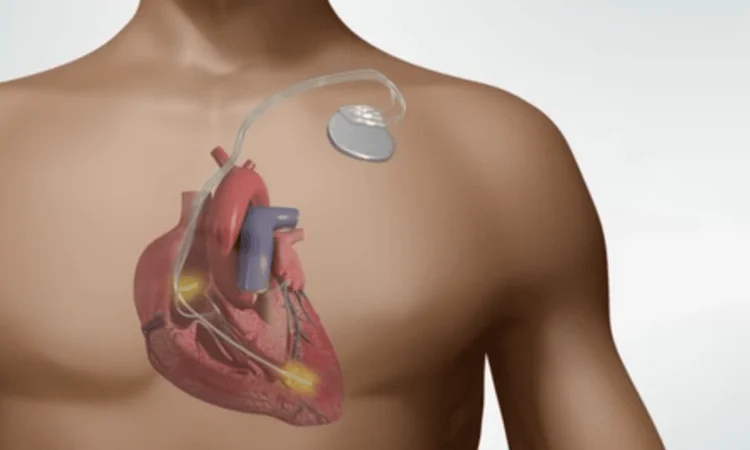
It may be confusing for you as these two devices seem similar; both are small medical devices implanted in the chest. But actually, they serve very different purposes, and understanding that difference is important for you before taking the final decision. In this blog, we will discuss abnormal heartbeats and the most commonly recommended treatment options: pacemaker implantation and ICD implant surgery. We will also understand the main differences between the two devices.
What Is an Abnormal Heartbeat?
The heart beats continuously to pump blood around your body. The heart has an electrical system that sends impulses to help it beat regularly and in time. When this system somehow malfunctions, the heart may not pump blood properly. An abnormal heartbeat is medically known as an arrhythmia, which occurs when the heart beats too slowly, too quickly, or irregularly. Common symptoms of an abnormal heartbeat are:
- Palpitations or fluttering in the chest
- Dizziness or feeling lightheaded
- Shortness of breath
- Fatigue
- Discomfort in the chest
- Episodes of fainting
Not all abnormal beats are dangerous; some arrhythmias are harmless, while others can increase the risk of stroke, heart failure, or sudden cardiac arrest. For dangerous abnormal heartbeats, your doctor can suggest these two medical devices:
Pacemaker
A pacemaker is a tiny electronic device that is placed under the skin, mostly near the collarbone. It helps in regulating the rhythm of the heart when the heart beats too slowly. The slow beating of heart is many a times due to a condition called bradycardia. When the pacemaker detects a slow heartbeat, it sends electrical impulses to stimulate the heart and the normal heart rate is maintained.
Implantable Cardioverter Defibrillator
An ICD is a medical device that monitors the heart’s rhythm continuously and sends a shock when it detects dangerous rhythms.An ICD implant surgery is performed when there is a high risk of dangerously fast or irregular heartbeats. It is also advised when the patient has a previous history of sudden cardiac arrest or conditions that increase the risk.
ICD vs. Pacemaker: What are the Main Differences?
-
Main Purpose of the Device
A pacemaker and an ICD are both designed to manage abnormal heart rhythms, but they serve different purposes. A pacemaker is mainly used to treat slow heartbeats, while an ICD is implanted to detect and correct dangerously fast heart rhythms that can lead to sudden cardiac arrest. -
Conditions They Treat
Pacemakers work best for patients with bradycardia, heart block, or other conditions that cause the heart to beat too slowly. An ICD implant surgery is suggested to patients who have experienced life-threatening arrhythmias such as ventricular tachycardia or ventricular fibrillation, or those who are at high risk of sudden cardiac death. -
How They Work
A pacemaker continuously monitors the heart rate and sends small electrical impulses when the heartbeat slows below a certain level. An ICD also monitors the heart's rhythm, but it delivers electrical shocks when it detects a dangerous, rapid heartbeat that requires immediate correction. -
Ability to Deliver Shocks
One of the biggest differences between the two devices is that a pacemaker cannot deliver a defibrillation shock. An ICD is designed to deliver life-saving shocks to restore a normal heart rhythm during a cardiac emergency. -
Additional Functions
Many modern ICDs include built-in pacemaker capabilities. This means they can treat both slow and fast heart rhythms. However, a standard pacemaker can only regulate slow heart rates and does not protect against all types of abnormal heartbeats. -
Who is the Right Candidate
Patients with symptoms such as dizziness, fatigue, or fainting caused by a slow heartbeat benefit from a pacemaker. Patients with a history of cardiac arrest, severe heart failure, or dangerous ventricular arrhythmias are the best candidates for ICD implant surgery.
If you are consulting with a pacemaker specialist near me, they will assess whether a single-chamber device meets your specific cardiac needs.
Conclusion
If you have a high risk of dangerous ventricular arrhythmias, ICD implant surgery can be life-saving. After understanding the differences between these devices, you can speak with your cardiologist with clarity and confidence about which device is best suited to your condition. The specialists at The Heart.ae are there for you in your journey from abnormal heartbeats to a healthy and steady heart rhythm. Make an appointment today with our experienced cardiac electrophysiologist!