Ablation For SVT

Heart Ablation for SVT (Supraventricular Tachycardia) : Need, Benefits, And Procedure

Introduction

Supraventricular tachycardia, or SVT, is a common heart rhythm disorder in which abnormally fast heartbeats originate above the ventricles. SVT causes symptoms such as palpitations, dizziness, chest discomfort, and shortness of breath in patients. Heart ablation for SVT is a safe and effective treatment for patients who experience these frequent or severe episodes.

This blog will explain SVT ablation in simple terms. What is SVT, who needs it, how safe is it, and the basic procedure?

What is Supraventricular Tachycardia?

SVT is a type of fast and regular heartbeat, medically known as arrhythmia. In this condition, the heart suddenly beats much faster than normal, often between 150 and 220 beats per minute. These episodes begin in the upper chambers of the heart without any warning. They can last from a few seconds to several hours and may occur sporadically or frequently. The most common symptoms include:

  • Rapid or pounding heartbeat
  • Dizziness or light-headedness
  • Chest discomfort
  • Shortness of breath
  • Anxiety or fatigue
  • In some cases, fainting

Why Heart Ablation for SVT?

Living with these episodes of rapid heartbeat can be frightening and exhausting. While SVT is usually not life-threatening, repeated episodes can disrupt daily life, affect sleep, and impact quality of life. Medications may help manage symptoms, but they do not always provide a permanent cure. For lasting relief, SVT ablation becomes an excellent treatment option.

What Is Heart Ablation for SVT?

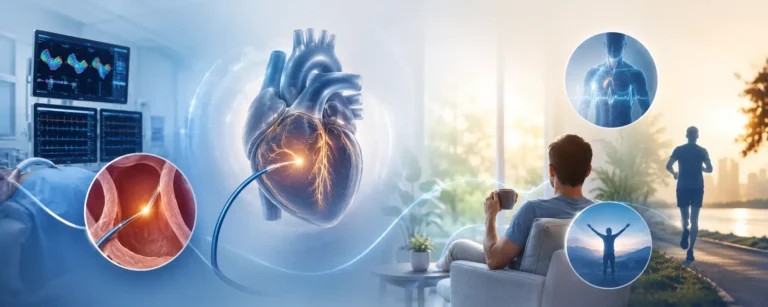
Heart ablation for SVT is a procedure that treats the heart tissue responsible for triggering the fast heartbeat by heating or freezing it. During SVT ablation, specialist doctors use advanced technology to locate abnormal electrical pathways and safely neutralize them using either heat, i.e., radiofrequency ablation, or cold energy, i.e., cryoablation. Once treated, the heart’s electrical system returns to its normal rhythm.

Who Should Consider SVT Ablation?

A patient may require SVT ablation if he:

  • Experiences frequent or long-lasting SVT episodes
  • Have symptoms that interfere with work or daily life
  • Do not respond well to medications
  • Experience medication side effects
  • Want a long-term solution instead of lifelong drug therapy
  • Have SVT diagnosed at a young age

What Happens During the SVT Ablation Procedure?

The SVT ablation procedure is performed in a hospital electrophysiology (EP) or cath lab by a specialized cardiologist and his team, but it does not require open surgery. This is what happens during heart ablation for SVT:

Comfort and sedation

Local anesthesia and mild sedation are given to keep the patient relaxed.

Catheter placement

A thin, flexible tube known as a catheter is inserted through a vein in the groin and is gently guided to the heart by the doctor.

Electrical mapping

Sensors on the tip of the catheter send electrical signals and record the heart's electricity. These help the doctor identify the exact source of the abnormal rhythm.

Ablation

Controlled energy, such as extreme heat, cold, is applied to create small scars in the heart, and the faulty heart rhythms are blocked.

Confirmation

The heart rhythm is tested to ensure SVT cannot be triggered again.

The procedure lasts around 2-3 hours, and patients are monitored overnight. Most patients are discharged within 24 hours.

Benefits of Heart Ablation for SVT

One of the biggest advantages of heart ablation for SVT is its excellent success rate, above >95%, depending on the type of SVT. Key benefits include:

  • Permanent relief from rapid heartbeat
  • High success rate with low risk
  • Freedom from long-term medications
  • Improved quality of life
  • Quick recovery
  • Safe for both young and elderly patients

SVT ablation is considered very safe when performed by experienced specialists. Serious complications are rare, including minor bleeding or bruising at the insertion site, temporary heart rhythm changes, and blood vessel irritation.

Recovery and Follow-up After Heart Ablation for SVT

Recovery is usually quick and smooth. Most patients can start their normal life within a few days. After the procedure, patients may notice mild soreness at the groin site, temporary fatigue, and occasional skipped beats during initial healing. Doctors generally advise avoiding heavy lifting or strenuous exercise for about one week. Follow-up visits are a must. Patients must contact their doctor if there is any swelling around the wound, fever, chest pain, or numbness in the leg with the wound.

Conclusion

Heart ablation for SVT offers a safe, effective, and long-term solution for people struggling with recurrent fast heartbeats. After successfulSVT ablation, patients experience full freedom from rapid heartbeat episodes. In rare cases, SVT may return, but a repeat ablation is often successful. With high success rates, minimum risks, and fast recovery, SVT ablation allows patients to lead a healthy and peaceful life free from worry. Concerned about SVT? Is it impacting your daily life? Consult a qualified cardiac specialist today!

Frequently Asked Questions

Is heart ablation for SVT a major surgery?

No, the procedure does not open the chest, but it is done under anesthesia, so you do not feel significant pain.

What is the success rate of SVT ablation?

Success rates are very high, usually >95% or more, depending on the type of SVT.

How long does it take to recover from SVT ablation?

Most patients resume normal activities within 2–5 days. You can expect complete healing in 1 week.

Is SVT ablation safe for young patients?

Yes, SVT ablation is safe and successful in young adults, adolescents and even children.
The Heart.ae
The Heart.ae
Articles: 15
Book Appointment
Connect Through WhatsApp
Latest Articles